Your journey begins with your arrival in Kathmandu, the vibrant capital of Nepal. After a warm welcome at the airport, you will be transferred to your hotel located in or near Thamel, the city’s lively tourist hub. The evening is perfect for a gentle stroll through Thamel’s bustling streets, filled with shops, cafes, and cultural charm. This initial walk allows you to soak in the local atmosphere, interact with friendly vendors, and prepare mentally for the adventure ahead.
The second day is dedicated to exploring Kathmandu’s rich heritage and religious sites. Begin at Kathmandu Durbar Square, a UNESCO World Heritage site, home to ancient palaces, temples, and vibrant local life. Next, visit Swayambhunath, the famous “Monkey Temple” perched on a hill, offering panoramic views of the city and profound spiritual ambiance. The day continues with Pashupatinath, one of the most sacred Hindu temples in the world, followed by Boudhanath Stupa, a major center for Tibetan Buddhism and pilgrimage. This cultural immersion sets the tone for your journey into Tibet.
On the third day, you venture into the Kathmandu Valley’s other historic cities. Patan is renowned for its exquisite Newari architecture, rich arts, and ancient temples. Bhaktapur, a medieval town preserved in time, showcases intricate wood carvings, squares, and a lively traditional lifestyle. Finally, visit Changunarayan Temple, one of the oldest Hindu temples in Nepal, perched on a hilltop with stunning views of the valley. Each site offers a unique glimpse into Nepal’s diverse cultural tapestry.
The adventure officially begins as you depart Kathmandu and journey towards the Kerung border, the gateway between Nepal and Tibet. The drive winds through Nepalese countryside and Himalayan foothills, offering breathtaking landscapes and a gradual change in culture and environment. Upon arrival at the border, you will complete customs and immigration formalities, crossing into Tibet, where a new chapter of your journey awaits.
After entering Tibet, you travel through high-altitude Tibetan terrain to Tingri, a town known for its proximity to Mount Everest’s north side. The stark yet stunning landscapes are a highlight, with views of vast plateaus and towering Himalayan peaks. Continuing onwards, you reach Shigatse, Tibet’s second-largest city and home to the magnificent Tashilhunpo Monastery. The day blends natural wonders with cultural depth.
Spend a full day exploring Shigatse’s highlights. The main attraction is Tashilhunpo Monastery, a key religious site and the traditional seat of the Panchen Lama. Wander through the monastery’s courtyards, chapels, and shrines to witness the rituals and vibrant spiritual life. Shigatse also offers opportunities to interact with local Tibetans and experience authentic Tibetan culture beyond the tourist trail.
Travel from Shigatse to Lhasa, with a stop at Gyantse, famous for the Pelkor Chode Monastery and the iconic Kumbum Stupa, known for its multi-tiered structure and exquisite murals. Gyantse is a cultural treasure, preserving Tibetan history and architecture. After exploring Gyantse, continue to Lhasa, Tibet’s spiritual and political heart, where you will begin to immerse yourself in the vibrant life of the city.
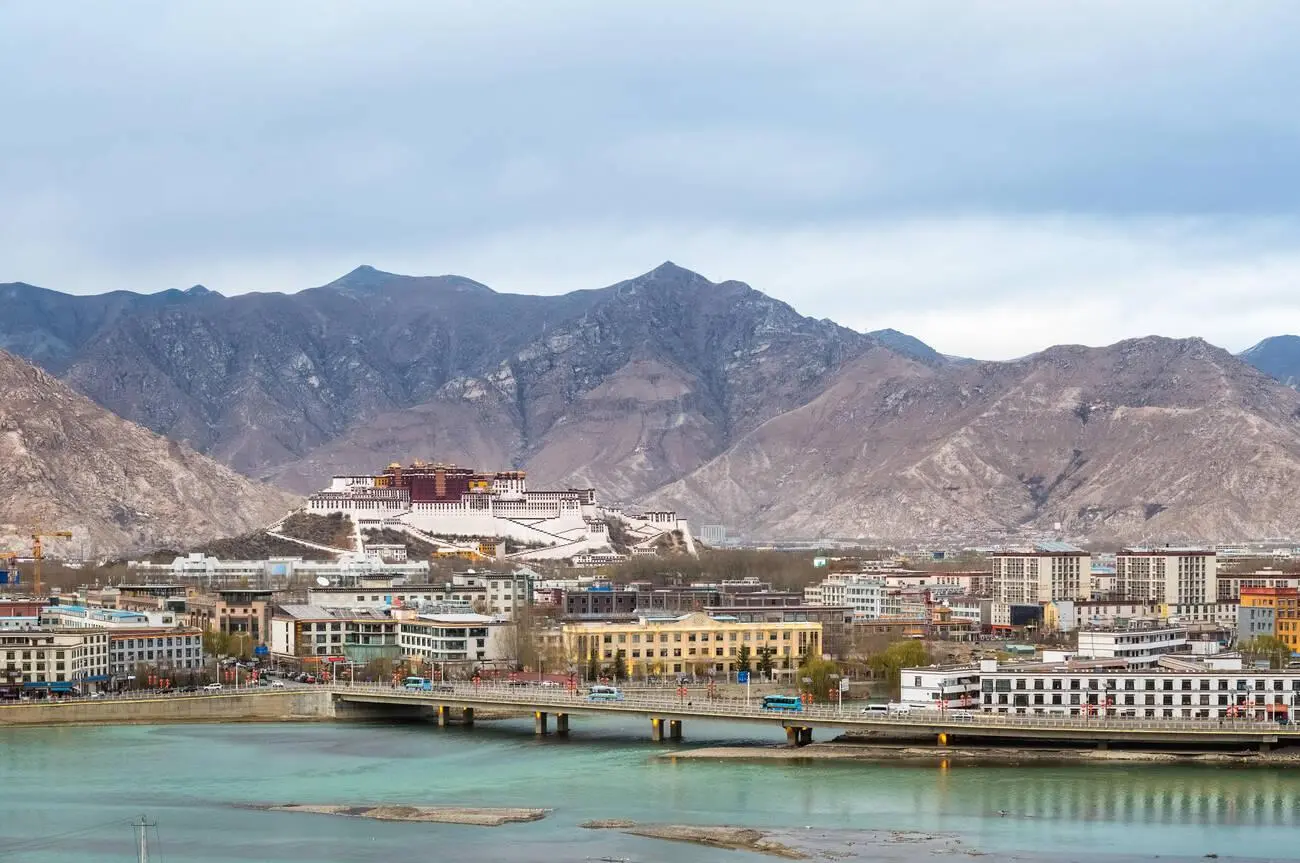
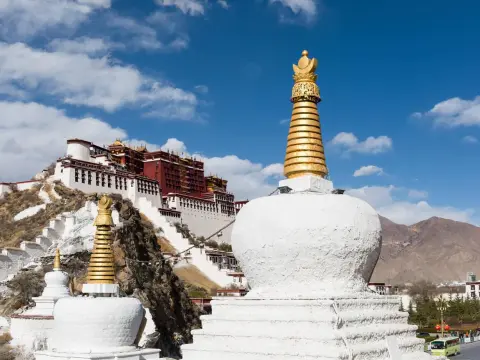
Begin your exploration of Lhasa with visits to its most iconic sites. The Potala Palace, a UNESCO World Heritage site and former residence of the Dalai Lama, dominates the city skyline. Next, visit Jokhang Temple, the holiest Tibetan Buddhist temple, nestled in the bustling Barkhor market area. This day is a profound journey into Tibetan religious life and architectural grandeur.
Your second day in Lhasa includes Norbulingka, the Dalai Lama’s summer palace with beautiful gardens, and Sera Monastery, famous for its monks’ lively debate sessions. This day offers further cultural insights and time to explore local markets, where traditional Tibetan crafts and textiles can be found.
Departing Lhasa, you embark on a long drive across the Tibetan Plateau to Xegar or Tingri. The route crosses spectacular high mountain passes and remote landscapes, offering breathtaking views and encounters with nomadic Tibetan life. This stretch is a reminder of Tibet’s vastness and the resilience of its people.
Descending toward lower elevations, the journey continues to Kyirung, a town near the Nepal border. The terrain becomes greener and more fertile, contrasting with the stark plateau. This day allows travelers to witness the transition from Tibetan highlands back toward the Himalayan foothills.
Crossing back into Nepal through Kyirung border, you drive back to Kathmandu, concluding the overland journey. The return is a time to reflect on the diverse cultures, landscapes, and experiences encountered over the past days.
After a restful night in Kathmandu, you will be transferred to the airport for your onward flight. The memories and experiences from this unique Nepal-Tibet overland adventure will accompany you on your next chapter.
The Nepal and Tibet Tour with Friday Travel Nepal offers a rich and immersive itinerary that begins in Kathmandu with cultural sightseeing of key landmarks like Kathmandu Durbar Square, Swayambhunath, Pashupatinath, Boudhanath, and the ancient cities of Patan, Bhaktapur, and Changu Narayan. After acclimatizing in Kathmandu, travelers embark on an overland journey crossing the Kerung border into Tibet. The tour continues with scenic drives to Tingri and Shigatse, where guests explore Tibetan monasteries and local culture. The route proceeds via Gyantse to Lhasa for in-depth sightseeing of spiritual sites including the Potala Palace and Jokhang Temple. Further legs of the tour take travelers to Xegar/Tingri with views of Everest, then descending to Kyirung border for return to Kathmandu, completing the loop.
Friday Travel Nepal expertly manages all necessary travel documentation including the Tibet Travel Permit and Chinese visa processes, which are required for entering Tibet. The company coordinates closely with government authorities to handle border crossings at Kerung and Kyirung, facilitating smooth and efficient passage. Travelers benefit from Friday Travel Nepal’s experience ensuring all paperwork is in order, minimizing delays and stress during the border formalities.
Altitude is a critical consideration on this overland journey as several stops, including Tingri and Xegar, are above 4000 meters. Friday Travel Nepal designs the itinerary to allow gradual acclimatization, incorporating rest days and sightseeing at intermediate elevations such as Shigatse and Lhasa. Guides monitor travelers closely for altitude sickness symptoms and provide advice on prevention and treatment. Travelers are encouraged to consult their healthcare provider prior to departure and to follow best practices like staying hydrated, ascending slowly, and avoiding strenuous activity in the first days.
Throughout the Nepal and Tibet Tour, Friday Travel Nepal arranges accommodations that balance comfort and local authenticity, including hotels in Kathmandu and Lhasa, and guesthouses in smaller Tibetan towns like Tingri and Shigatse. Transportation is provided by well-maintained vehicles equipped for mountainous roads, with skilled drivers ensuring safety and a smooth ride. The company prioritizes traveler comfort during long drives and challenging terrain.
The best seasons for this tour are spring (April to June) and autumn (September to October), when weather conditions are most favorable, offering clear skies and moderate temperatures ideal for sightseeing and road travel. Winter months are generally cold and can bring road closures, while the monsoon season in summer may cause heavy rains and slippery roads, making travel more difficult and less predictable.
This tour immerses travelers in both Nepali and Tibetan culture. In Nepal, visitors explore ancient temples, palaces, and vibrant markets reflecting centuries of religious and artistic heritage. Crossing into Tibet, the itinerary highlights important Buddhist monasteries and spiritual landmarks such as the Potala Palace and Jokhang Temple. Travelers witness traditional Tibetan lifestyles, attend local festivals if timing permits, and gain insight into Buddhist customs, creating a meaningful cultural experience.