The adventure begins in Kathmandu, Nepal’s vibrant capital city. After necessary permits and preparations, you will drive towards the Kerung border, crossing into Tibet. The scenic route takes you through lush hills, traditional villages, and winding roads, offering a glimpse of rural Himalayan life. The gradual change in landscape, with increasing altitude and Tibetan cultural influences, sets the tone for your journey ahead. Arriving at the Kerung border marks your official entry into Tibet, where Chinese authorities manage customs and immigration.
From Kerung, you continue your ascent into the Tibetan Plateau, heading to Tingri, known as the gateway to Everest’s northern side. Tingri is a charming town where the majestic Himalayan peaks are visible on clear days. The drive onwards takes you through some of Tibet’s most spectacular high-altitude landscapes. You will pass vast grasslands, rugged mountains, and remote monasteries before reaching Shigatse, Tibet’s second-largest city. Shigatse offers rich Tibetan cultural experiences, including visits to Tashilhunpo Monastery, the traditional seat of the Panchen Lama.
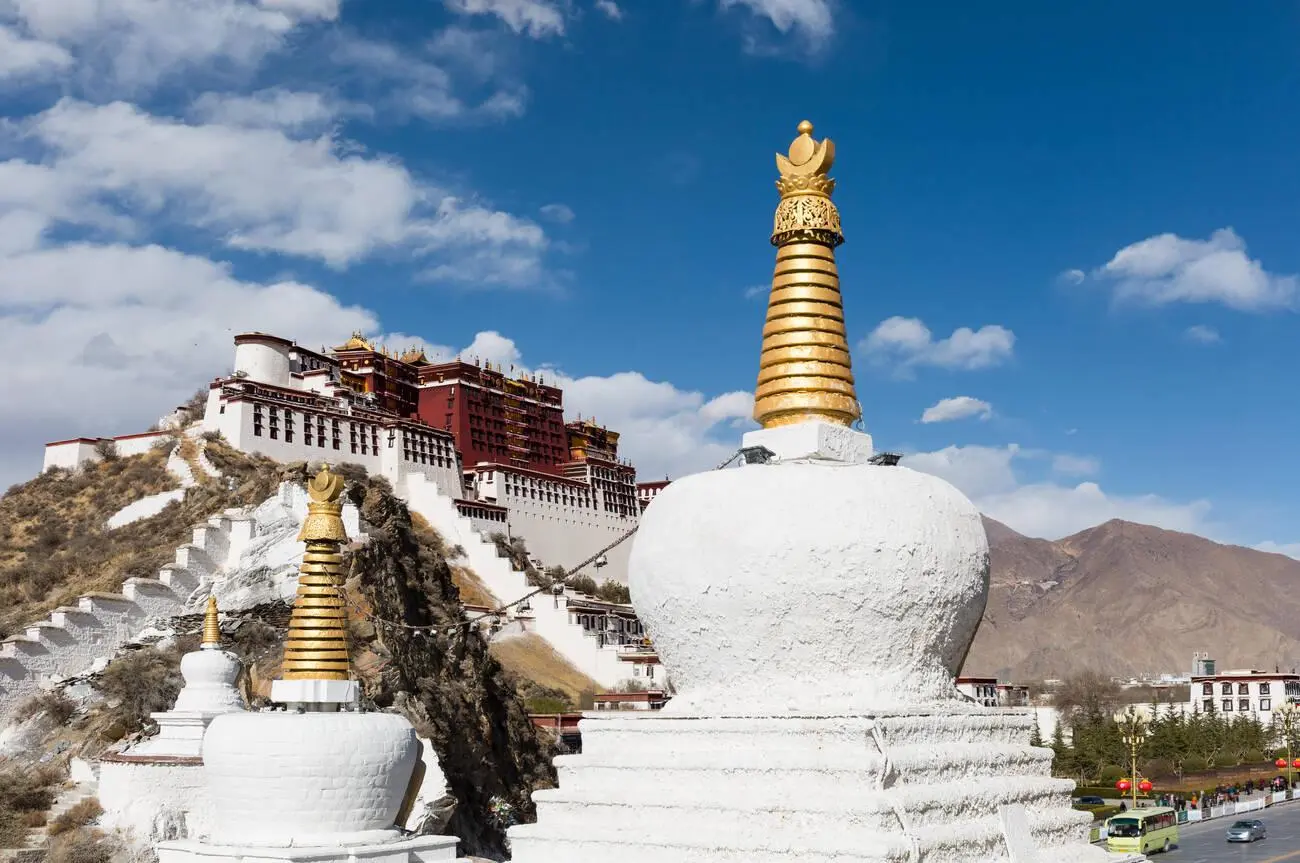
Leaving Shigatse, the journey continues eastwards to Lhasa, the spiritual heart of Tibet. On the way, you stop at Gyantse, known for its historic Pelkor Chode Monastery and the unique Kumbum Stupa, famous for its intricate Tibetan murals. Gyantse’s charming old town gives a glimpse of traditional Tibetan architecture and culture. The road then winds through the Tibetan landscape, descending slightly in altitude before arriving in Lhasa, where you will be welcomed by the magnificent Potala Palace, the former residence of the Dalai Lama.
The first full day in Lhasa is dedicated to exploring its major landmarks. You will visit the iconic Potala Palace, a UNESCO World Heritage site, renowned for its impressive architecture and spiritual significance. Next, explore Jokhang Temple, the holiest site in Tibetan Buddhism, located in the bustling Barkhor Market area, where pilgrims perform kora (ritual circumambulation). The day offers insight into Tibetan religion, culture, and vibrant local life.
Your second day in Lhasa includes visits to Norbulingka, the summer palace of the Dalai Lama, surrounded by beautiful gardens and parks. You may also explore Sera Monastery, known for its lively monks’ debates. The day is perfect for immersing yourself further into Tibetan Buddhist culture and enjoying local markets, where you can find traditional crafts and souvenirs.
The return journey begins with a long drive to Xegar or Tingri, crossing the spectacular Tibetan Plateau once again. This day involves extensive travel over rough roads and high-altitude passes, showcasing some of the most breathtaking mountain vistas and vast open spaces. Xegar, a remote village, is often used as a stopover for those heading towards Everest Base Camp on the Tibetan side.
Descending from the high plateau, you make your way toward Kyirung, a town closer to the Nepal border. The landscape gradually shifts from the stark high-altitude desert to greener valleys and agricultural land. This leg of the journey gives a refreshing change of scenery and a chance to appreciate the diversity of Tibetan terrain.
On the final day, you cross back into Nepal through the Kyirung border and drive to Kathmandu. This marks the conclusion of an unforgettable overland journey through the heart of Tibet. You return with rich memories of stunning landscapes, Tibetan culture, and spiritual heritage.
The Tibet Overland Tour organized by Friday Travel Nepal begins in Kathmandu, Nepal, at an elevation of 1300 meters. On the first day, travelers embark on a 6 to 7-hour drive of approximately 145 kilometers to reach the Kerung border, the gateway to Tibet. After crossing into Tibet, the journey continues with a long drive to Shigatse via Tingri, covering around 390 kilometers. Tingri, situated at 4300 meters, provides an important stop for acclimatization and stunning Himalayan views. On the third day, the tour travels from Shigatse to Lhasa via Gyantse, a 260-kilometer route rich in Tibetan culture and history. Days 4 and 5 are dedicated to sightseeing in Lhasa, where visitors explore iconic sites like the Potala Palace and Jokhang Temple. The tour then moves from Lhasa to Xegar or Tingri, a 494-kilometer journey through rugged terrain with views of Everest. The penultimate day covers the route from Xegar to Kyirung, descending to 2770 meters. Finally, on Day 8, travelers drive back to Kathmandu from Kyirung, completing the approximately 395-kilometer return leg.
Friday Travel Nepal manages all necessary travel permits and documentation required for entering Tibet, including the Tibet Travel Permit and Chinese visa arrangements, where applicable. The company assists with border formalities at Kerung and Kyirung, ensuring a smooth crossing without hassle for travelers. Their experienced staff coordinates with local authorities to guarantee compliance with all regulations, allowing travelers to focus on enjoying the journey.
Given the high elevations encountered on the Tibet Overland Tour — with stops at places like Tingri (4300m) and Lhasa (3650m) — altitude sickness can be a concern. Friday Travel Nepal designs the itinerary to allow gradual acclimatization with planned stops and rest days in key locations such as Tingri and Lhasa. Guides are trained to monitor guests’ health and advise on proper hydration, pacing, and symptoms to watch for. Travelers are also encouraged to consult their doctors before the trip and consider medications if needed.
Friday Travel Nepal arranges comfortable accommodations throughout the tour, ranging from clean hotels in Kathmandu and Lhasa to guesthouses or inns in smaller Tibetan towns like Tingri and Shigatse. The company provides reliable vehicles suited for mountainous terrain and long drives, ensuring safety and comfort during the extensive road travel involved in the itinerary. Experienced drivers and guides accompany the group to facilitate a smooth and enjoyable journey.
The ideal time to take the Tibet Overland Tour with Friday Travel Nepal is during the spring (April to June) and autumn (September to October) seasons. During these months, the weather is generally stable with clear skies and moderate temperatures, making travel more comfortable and offering spectacular views of the Himalayas. Winter months can be extremely cold and some roads may be closed due to snow, while summer tends to bring more rain and less predictable conditions.
The Tibet Overland Tour offers rich cultural experiences, particularly during the days spent in Lhasa and Gyantse. Travelers visit historic monasteries such as the Potala Palace and Jokhang Temple, explore traditional Tibetan markets, and learn about Buddhist rituals and Tibetan customs from knowledgeable local guides. The tour provides a deep insight into Tibetan spirituality, history, and everyday life, creating a meaningful and immersive journey.