
Why Nepal Should Be Your Top Destination: Best Times to Visit in 2025/2026
26 Jun 2025
Touring Nepal offers an experience unlike any other. From the snow-capped Himalayas to the cultural treasures of Kathmandu Valley, every corner of the...

Nestled between China and India, Nepal is a small but incredibly diverse country known for its stunning natural beauty, rich cultural heritage, and spiritual significance. Home to the world’s highest peak, Mount Everest, Nepal attracts adventurers, trekkers, and pilgrims from across the globe. Beyond its towering mountains, Nepal boasts vibrant cities, ancient temples, lush national parks, and warm, welcoming people representing a mosaic of ethnic groups and traditions.
Nepal’s cultural landscape is deeply intertwined with Hinduism and Buddhism, making it a living museum of sacred sites and festivals. The country’s UNESCO World Heritage Sites—ranging from the medieval architecture of Kathmandu Valley to the serene birthplace of Buddha in Lumbini—offer travelers a glimpse into centuries-old civilizations and spiritual practices. Whether you’re seeking adventure, spirituality, or cultural exploration, Nepal promises an unforgettable experience.
Nepal, a land of ancient civilizations, towering Himalayan peaks, and profound spiritual traditions, is home to some of the world’s most awe-inspiring cultural and natural landmarks. These remarkable sites have been recognized globally by UNESCO, placing Nepal firmly on the map as a treasure trove of human heritage and ecological wonder. As we step into 2025, these monuments not only reflect the country’s rich past but also its ongoing efforts to preserve and celebrate its diverse legacy.
At Friday Travel, our mission is to provide deeply enriching travel experiences that go beyond sightseeing. With the 2025 update to Nepal’s UNESCO World Heritage Sites, we are thrilled to offer new insights and immersive journeys into the heart of these timeless places. Whether it’s wandering through the timeless courtyards of Kathmandu Valley or trekking to sacred temples nestled in the Himalayas, this exploration promises a rare blend of history, nature, and spirituality.
Purpose of the Exploration
The purpose of this exploration is to deepen travelers' understanding and appreciation of Nepal’s cultural and natural significance as seen through its UNESCO-listed landmarks. More than a travel itinerary, this journey is a curated experience that highlights the soul of Nepal—its history, architecture, rituals, festivals, and environment. By visiting these sites, travelers can witness first-hand the stories that have shaped Nepal’s identity and continue to influence its future.
For Friday Travel, this exploration also represents our commitment to responsible tourism. We aim to educate and inspire visitors about the importance of heritage preservation, supporting local communities, and fostering a genuine connection between guests and the sites they visit. Through guided tours, expert commentary, and opportunities to engage with locals, we turn each visit into a meaningful, transformative experience.
Overview of UNESCO World Heritage in Nepal
Nepal is home to ten UNESCO World Heritage Sites, divided into cultural and natural categories. Among the cultural sites, the Kathmandu Valley dominates with seven unique monument zones, including the historic cities of Kathmandu, Patan, and Bhaktapur, as well as sacred sites like Pashupatinath Temple and Swayambhunath Stupa. These marvels showcase the country’s mastery in art, architecture, and urban planning, much of which dates back centuries and is still alive today.
On the natural side, Chitwan National Park and Sagarmatha National Park (home to Mount Everest) highlight Nepal’s ecological richness. These areas protect endangered species and pristine ecosystems, offering a contrasting yet complementary perspective to the man-made wonders of the country. Together, these sites provide a comprehensive view of Nepal’s multidimensional heritage—something that few countries can match. Our tours offer in-depth encounters with each of these areas, accompanied by stories and insights that bring them vividly to life.
The 2025 Update: What’s New?
The 2025 UNESCO update has brought fresh excitement to Nepal’s heritage landscape. One of the major developments is the proposed inclusion of Tilaurakot, believed to be the ancient capital of the Shakya kingdom and a key site in the life of Lord Buddha. If confirmed, this would significantly enrich the Lumbini circuit, connecting even more dots in the story of the Buddha’s life and deepening Nepal’s role as a central figure in Buddhist heritage.
Additionally, enhancements to existing sites—such as improved conservation work in Bhaktapur Durbar Square and new eco-tourism models in Chitwan—are elevating the visitor experience. These updates reflect a broader effort by Nepal to balance heritage conservation with sustainable tourism. At Friday Travel, we’re proud to be at the forefront of promoting these renewed destinations through thoughtfully designed tours, expert-led experiences, and strong collaboration with local stakeholders.
Nepal’s heritage is a living tapestry woven from ancient traditions, sacred landscapes, and the powerful influence of both natural and spiritual forces. Nestled between two giant civilizations—India and China—Nepal developed a distinct identity over centuries, serving as a melting pot of religions, philosophies, and architectural styles. This context is vital to understanding the UNESCO World Heritage Sites in the country, as each monument, temple, and park holds centuries of significance that go beyond aesthetics.
At Friday Travel, we emphasize that heritage is not just about monuments—it’s about memory, meaning, and the continuity of a way of life. By exploring Nepal’s past, travelers gain a deeper appreciation for the present, and for the timeless values that have allowed this small Himalayan nation to preserve its grandeur and humility simultaneously.
The Legacy of the Himalayas
The Himalayas are not just mountains in Nepal—they are revered as guardians of the soul, shaping the nation's identity for thousands of years. These majestic peaks have long been considered sacred by both Hindus and Buddhists, with legends and scriptures describing them as the abode of gods and enlightened beings. Mount Everest, known locally as Sagarmatha or Chomolungma, is a powerful emblem of strength and serenity, symbolizing Nepal’s spiritual elevation and physical magnificence.
Throughout history, the Himalayas have served as both a physical barrier and a cultural bridge, facilitating trade, pilgrimage, and the exchange of ideas. They have protected Nepal from large-scale invasions, allowing indigenous art, language, and customs to flourish in relatively undisturbed forms. The resulting legacy is visible today in the monasteries of Mustang, the stupas of the Kathmandu Valley, and the sacred routes that lead to high-altitude temples like Muktinath—places Friday Travel showcases in our carefully crafted heritage journeys.
Cultural and Spiritual Foundations
Nepal’s cultural heritage is deeply interwoven with spiritual values that have evolved over millennia. The Kathmandu Valley, often called the “Living Museum,” is one of the oldest continuously inhabited places in Asia and reflects a fusion of Hindu and Buddhist influences. Temples, stupas, and shrines are not relics of the past—they are integral to daily life, used for worship, festivals, and social gatherings. The intricate wood carvings, metalwork, and stone sculptures found here are physical embodiments of devotion, storytelling, and master craftsmanship.
Nepal is also the birthplace of Siddhartha Gautama, who became the Buddha, making it a sacred destination for millions of Buddhists around the world. The spiritual landscape extends beyond Lumbini to include meditation caves, monastic centers, and tantric pilgrimage sites. These traditions, passed down through generations, continue to thrive despite modernization. At Friday Travel, we help visitors connect with these spiritual roots by offering guided experiences that include ritual participation, storytelling with monks and priests, and visits during key festival periods.
Preservation Efforts Through the Years
Nepal’s commitment to preserving its heritage has faced numerous challenges—natural disasters, urbanization, and political instability among them. The devastating earthquake of 2015 severely impacted many heritage structures in the Kathmandu Valley, including UNESCO-listed temples and palaces. However, it also sparked a powerful movement for restoration and global support for cultural conservation. Local artisans, historians, and architects came together to rebuild not just structures, but a sense of pride and identity.
Over the years, both the government and grassroots organizations have worked closely with UNESCO and international partners to implement heritage management plans, promote sustainable tourism, and enforce conservation laws. These efforts are ongoing, and the 2025 update to the World Heritage list reflects not just new additions but renewed commitments. Friday Travel partners with conservationists and local authorities to ensure our tours contribute positively—by raising awareness, minimizing impact, and supporting preservation through community-based tourism.
The Kathmandu Valley is the cultural heart of Nepal—a cradle of civilization where history, spirituality, and artistry converge in one vibrant landscape. Declared a UNESCO World Heritage Site in 1979, the valley is home to seven distinct monument zones, each echoing Nepal’s deep-rooted cultural and religious heritage. With origins dating back over two millennia, the valley’s ancient temples, royal palaces, and bustling squares continue to function as active religious and communal spaces.
For travelers with Friday Travel Nepal, the Kathmandu Valley is more than a sightseeing destination—it is a chance to walk through living history. The monuments aren't museum pieces behind glass; they are places where prayers are still whispered, festivals still erupt in color, and the rhythms of daily life carry forward centuries-old traditions.
Kathmandu Durbar Square
Kathmandu Durbar Square, situated in the heart of the capital, was once the royal palace complex of the Malla kings. A maze of temples, courtyards, and historic buildings, it reflects the zenith of Newari architecture and urban planning. Iconic structures include the Hanuman Dhoka Palace, the Taleju Temple, and the residence of the Kumari, the living goddess.
Despite suffering major damage during the 2015 earthquake, the square remains a symbol of resilience and restoration. Ongoing conservation efforts, supported by UNESCO and local artisans, are breathing new life into the site. Friday Travel Nepal offers guided experiences here that include behind-the-scenes glimpses into restoration workshops and storytelling sessions with heritage experts.
Patan (Lalitpur) Durbar Square
Patan Durbar Square, located in the city of Lalitpur, is a jewel of ancient Nepalese art and craftsmanship. Unlike its counterparts, Patan has long been a center of Buddhist learning and metalwork. The square boasts a stunning array of temples and the impressive Krishna Mandir, built entirely from stone in the 17th century.
The Patan Museum, housed in a beautifully restored palace, offers in-depth exhibits on the valley’s religious iconography and architectural evolution. Visitors traveling with Friday Travel Nepal can engage with local artisans still practicing centuries-old techniques in nearby alleys—an immersive extension of the square’s heritage.
Bhaktapur Durbar Square
Bhaktapur Durbar Square, in the city of Bhaktapur (also known as Bhadgaon), offers perhaps the most atmospheric and well-preserved example of medieval Nepal. Known as the "City of Devotees," Bhaktapur’s narrow brick-paved streets lead to masterpieces like the 55-Window Palace, the Lion’s Gate, and the Nyatapola Temple—Nepal’s tallest pagoda.
This area was deeply impacted by the 2015 earthquake, but restoration has become a model of traditional techniques and community involvement. At Friday Travel Nepal, we curate walking tours that highlight both the grandeur and grassroots efforts that keep Bhaktapur’s legacy alive, including opportunities to visit local potters and woodcarvers at work.
Swayambhunath Stupa (Monkey Temple)
Sitting atop a hill west of Kathmandu, the Swayambhunath Stupa is one of the most ancient and sacred sites in the valley. Known affectionately as the "Monkey Temple" due to its lively simian residents, the site is a perfect blend of Hindu and Buddhist symbolism. The iconic all-seeing eyes of the Buddha gaze out from the golden spire, watching over the valley.
Legend says the stupa emerged spontaneously when the valley was still a lake, symbolizing spiritual awakening. The panoramic views, combined with chanting monks and fluttering prayer flags, make this a deeply atmospheric stop. Friday Travel Nepal encourages visits at sunrise or sunset for the most meditative experience.
Boudhanath Stupa
Boudhanath is the largest stupa in Nepal and one of the most important Tibetan Buddhist sites outside of Tibet. With its massive mandala and tranquil ambiance, it serves as a spiritual hub for Tibetan refugees and Buddhist pilgrims. Each day, thousands of devotees perform kora—ritual circumambulations—around its base, accompanied by spinning prayer wheels and soft mantras.
Friday Travel Nepal offers immersive experiences here that include visits to nearby monasteries, workshops on thangka painting, and chances to interact with resident monks. Boudhanath is not just a monument—it’s a living center of faith, compassion, and resilience.
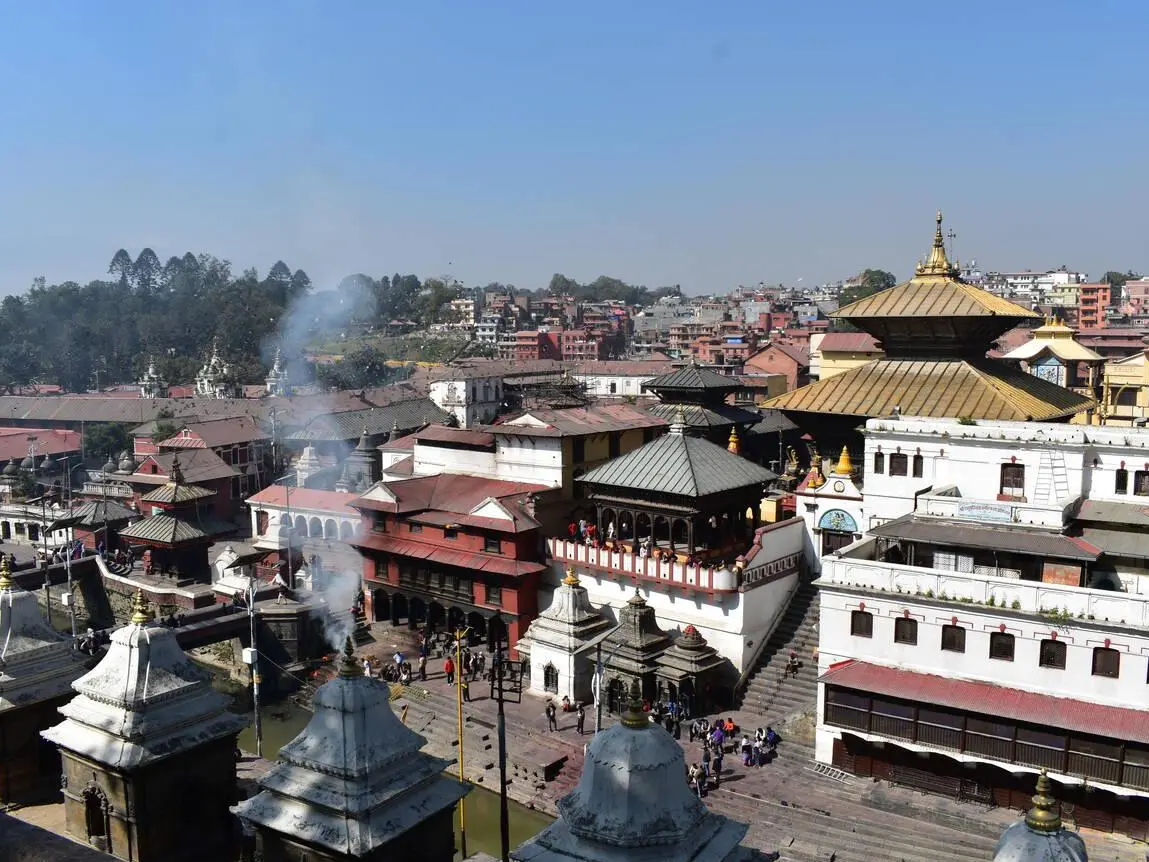
Pashupatinath Temple
One of the holiest Hindu temples in the world, Pashupatinath Temple is dedicated to Lord Shiva and sits on the banks of the sacred Bagmati River. The temple complex, which includes hundreds of shrines, ghats, and ashrams, is a major pilgrimage destination—especially during the annual Maha Shivaratri festival.
While non-Hindus are not allowed inside the main temple, visitors with Friday Travel Nepal can witness cremation rituals on the riverbanks, learn about Hindu philosophy from temple priests, and observe sacred sadhus who reside nearby. The site offers a profound look into the rituals of life and death in Hindu culture.
Changu Narayan Temple
Located on a quiet hilltop east of Bhaktapur, Changu Narayan Temple is considered the oldest Hindu temple in the Kathmandu Valley. Dedicated to Lord Vishnu, it boasts some of the most intricate stone and wood carvings found anywhere in Nepal, dating back to the 4th century.
Despite its relative obscurity, Changu Narayan is a hidden gem for those interested in early Nepali art and iconography. It also offers excellent hiking routes through rural villages. Friday Travel Nepal integrates this site into cultural treks that combine heritage exploration with scenic beauty and community interaction.
Conservation Challenges in the Valley
While the Kathmandu Valley is a marvel of living heritage, it also faces serious challenges. Rapid urbanization, pollution, encroachment, and natural disasters like the 2015 earthquake have threatened the structural integrity and cultural authenticity of many sites. Balancing tourism, development, and conservation has become an urgent priority.
Friday Travel Nepal works with local heritage councils, UNESCO, and grassroots organizations to promote responsible tourism practices. Our itineraries are designed to support conservation efforts—whether by contributing to restoration funds, choosing local guides and artisans, or educating visitors on how to travel respectfully. We believe that heritage is a shared responsibility, and our travelers become part of its protection.
Lumbini, located in the Rupandehi District of southern Nepal, is one of the most sacred and historically significant sites in the world. Recognized by UNESCO as a World Heritage Site in 1997, Lumbini is universally acknowledged as the birthplace of Siddhartha Gautama, who later became the Buddha. As a center of global pilgrimage, archaeological wonder, and spiritual tranquility, Lumbini plays a vital role in Nepal’s cultural and religious landscape. For travelers with Friday Travel Nepal, visiting Lumbini is not just a destination—it’s a profound journey into the origins of one of the world’s great spiritual traditions.
The site is surrounded by monastic zones, sacred gardens, and meditation centers, offering a rare blend of peaceful spirituality and historical intrigue. Lumbini has evolved into a vibrant symbol of Nepal’s Buddhist heritage and a meeting point for pilgrims, archaeologists, and seekers from around the world. Our guided tours ensure travelers get a full understanding of Lumbini’s deep historical roots and its growing global relevance in 2025 and beyond.
Archaeological Significance
Lumbini’s archaeological importance is immense. The most notable structure on the site is the Maya Devi Temple, which marks the exact spot where Queen Maya Devi is believed to have given birth to Siddhartha Gautama around 623 BCE. Excavations have uncovered multiple layers of ancient construction beneath the current temple, revealing structures dating as far back as the 3rd century BCE, during the reign of Emperor Ashoka—India’s great Buddhist monarch who famously visited and marked the site with a sandstone pillar.
Recent archaeological efforts have further highlighted Lumbini’s prominence as an uninterrupted sacred site for over two millennia. Artifacts, stupas, and monastic ruins tell the story of a thriving religious community that has persisted through ages of political and cultural shifts. At Friday Travel Nepal, we provide access to expert-led tours, including visits to the ongoing excavation zones and museums that detail Lumbini’s layered past. Our guests are given the opportunity to understand how science and faith intertwine in the unearthing of this historical gem.
Pilgrimage and Faith
Lumbini is one of the four key pilgrimage sites in Buddhism, alongside Bodh Gaya, Sarnath, and Kushinagar in India. Every year, thousands of pilgrims from around the globe walk the sacred grounds, chant prayers, light butter lamps, and meditate under the Bodhi trees that line the gardens. The atmosphere is serene yet spiritually charged, offering a rare sense of global unity rooted in shared reverence. Pilgrims believe visiting Lumbini helps accumulate merit and deepen their spiritual understanding.
The site’s monastic zones, divided into Theravāda and Mahāyāna sections, host magnificent temples built by Buddhist communities from countries like Thailand, Myanmar, Japan, China, and Germany. Each monastery reflects its country’s unique architectural and spiritual traditions, making a tour of Lumbini a journey through international expressions of Buddhist devotion. Friday Travel Nepal ensures that visitors engage with the site not as mere spectators, but as active participants in its living spirituality—offering chances to join in morning chants, interact with monks, and participate in mindfulness sessions led by local teachers.
Recent Restoration and Global Recognition
The past decade has witnessed a surge in efforts to elevate Lumbini’s global profile as a sacred and heritage destination. Under UNESCO guidance and international collaboration, restoration projects have focused on conserving ancient relics, protecting the sacred garden, and enhancing the infrastructure to accommodate the growing number of pilgrims and scholars. Notably, the Lumbini Master Plan, originally envisioned by Japanese architect Kenzo Tange, continues to guide the site’s transformation into a world-class spiritual park.
As of the 2025 update, Lumbini has received renewed attention with proposals to include nearby archaeological sites such as Tilaurakot—believed to be the ancient capital of the Shakya kingdom—on the UNESCO tentative list. This broader recognition reinforces Nepal’s role as a cornerstone of Buddhist heritage. At Friday Travel Nepal, we proudly integrate these developments into our itineraries, giving travelers a chance to explore beyond the traditional pilgrimage site. Our experiences are designed to keep pace with the evolving narrative of Lumbini while honoring its timeless essence.
Nestled in the subtropical lowlands of south-central Nepal, Chitwan National Park is the country’s first national park and a UNESCO World Heritage Site since 1984. Once a royal hunting reserve, the park has transformed into one of Asia’s most successful conservation stories and a model for biodiversity protection. Covering over 900 square kilometers of grasslands, forests, and wetlands, Chitwan is home to an extraordinary variety of flora and fauna, making it a key destination for eco-tourism in Nepal.
For travelers with Friday Travel Nepal, visiting Chitwan offers a thrilling contrast to the mountainous and spiritual landscapes of the Himalayas. It’s a place where you can embark on jungle safaris, canoe along crocodile-filled rivers, and wake up to the sounds of exotic birds and wildlife just outside your lodge. Our tours are designed to blend wildlife exploration with cultural experiences, ensuring that every visit is both educational and unforgettable.
Wildlife and Ecosystems
Chitwan National Park is internationally renowned for its rich biodiversity. It provides a safe haven for endangered species such as the greater one-horned rhinoceros, Bengal tiger, Asian elephant, sloth bear, and gharial crocodile. Over 500 species of birds, including the giant hornbill, Bengal florican, and paradise flycatcher, make it a paradise for birdwatchers and nature enthusiasts alike. The park’s mosaic of ecosystems—including sal forests, riverine grasslands, and oxbow lakes—supports this incredible diversity.
Jungle safaris, available by jeep, canoe, or on foot, allow travelers to immerse themselves in this vibrant wilderness. Guided by trained naturalists and conservation experts, Friday Travel Nepal ensures that each excursion offers both excitement and insight into the ecological balance that makes Chitwan so unique. These experiences are not only about spotting animals, but also understanding their behaviors, habitats, and the broader environmental dynamics at play.
Community and Conservation
One of Chitwan’s greatest conservation successes lies in its model of community involvement. Local communities, particularly the indigenous Tharu people, play a vital role in protecting the park and its wildlife. Through community forest initiatives and eco-tourism partnerships, locals have become stewards of the land, contributing to both ecological preservation and sustainable livelihoods. This cooperation has led to remarkable recoveries of key species like the one-horned rhino and a significant reduction in poaching.
Friday Travel Nepal collaborates with community-run lodges and conservation groups to ensure that your visit directly benefits the people who live alongside this protected area. Guests can take part in cultural programs, visit Tharu villages, and learn how traditional knowledge supports modern conservation practices. These exchanges enrich the travel experience and reinforce the connection between biodiversity and community resilience.
Responsible Tourism in Protected Areas
As the popularity of eco-tourism grows, so does the responsibility to protect fragile ecosystems. Chitwan’s status as a UNESCO site brings both prestige and pressure—ensuring a balance between visitor satisfaction and environmental integrity is critical. Friday Travel Nepal is committed to practicing and promoting responsible tourism principles in every tour we operate in the park. This includes low-impact safari methods, minimizing plastic use, and following strict wildlife viewing guidelines to avoid stress or harm to the animals.
We also educate our travelers on how to be mindful guests—respecting local customs, avoiding disruptive behaviors, and supporting ethical wildlife tourism. By choosing certified lodges and community-based programs, we ensure that your visit contributes to conservation rather than undermining it. In 2025 and beyond, Chitwan remains not just a place to see wildlife, but a place to understand the intricate relationship between nature, people, and the planet.
Home to the world’s highest peak, Sagarmatha National Park is more than just a mountaineer’s dream—it is a UNESCO World Heritage Site that preserves one of the most iconic landscapes on Earth. Established in 1976 and listed by UNESCO in 1979, the park covers over 1,100 square kilometers of pristine alpine wilderness, deep gorges, and glacial valleys, all centered around the majestic Mount Everest (Sagarmatha). It is a place of extremes, not only in elevation but in natural beauty, biodiversity, and cultural depth.
At Friday Travel Nepal, we believe Sagarmatha is more than a destination—it’s a journey of self-discovery and reverence. Whether you're trekking to Everest Base Camp or exploring the quieter trails around Namche Bazaar and Thame, every step brings you face-to-face with nature’s grandeur and the resilient spirit of the Himalayan people. Our guided treks are crafted to ensure safety, sustainability, and an authentic connection to this remarkable region.
The Majesty of Mount Everest
Mount Everest—known as Sagarmatha in Nepali and Chomolungma in Tibetan—is not just the highest point on Earth, but a spiritual symbol of strength and aspiration. Towering at 8,848.86 meters (29,031.7 feet), its summit has drawn explorers, climbers, and dreamers for generations. But beyond the peak itself lies an ecosystem of rugged beauty—icefalls, high-altitude lakes, and vast alpine meadows—that make Sagarmatha National Park an ecological treasure.
The park is also home to rare and endangered species such as the snow leopard, red panda, musk deer, and Himalayan tahr, thriving in one of the harshest environments on the planet. Trekking through this area is a humbling experience, reminding us of the power and fragility of nature. Friday Travel Nepal offers well-paced, fully supported treks that allow visitors to safely experience the grandeur of Everest while preserving the park’s delicate environment.
Sherpa Culture and Mountain Life
No journey to Sagarmatha is complete without connecting with the Sherpa people, the traditional inhabitants of the Everest region. Renowned globally for their mountaineering expertise, the Sherpas are equally admired for their warmth, resilience, and rich spiritual traditions. Their culture is deeply intertwined with Tibetan Buddhism, evident in the countless chortens (stupas), mani walls, and prayer flags that line the mountain trails.
Villages like Namche Bazaar, Khunde, and Pangboche offer cultural windows into Sherpa life—tea houses, monasteries, and traditional farming practices that have endured for centuries. Friday Travel Nepal builds cultural immersion into every Everest-region journey, whether it’s attending a morning prayer ceremony in Tengboche Monastery or learning about Sherpa cuisine from a local host. These experiences elevate the trek beyond physical achievement, offering deeper insight into the human spirit that thrives in the high Himalayas.
Climate Impact and Adaptation
The Sagarmatha region is one of the most visibly affected areas by climate change. Melting glaciers, shifting weather patterns, and increasingly unstable terrain are altering the landscape at an alarming rate. These changes not only endanger wildlife but also threaten the traditional livelihoods and cultural heritage of mountain communities. The Gokyo Lakes and Imja Glacier, for example, are beautiful yet increasingly fragile areas impacted by glacial lake outburst floods (GLOFs) and seasonal unpredictability.
Despite these challenges, local communities and conservation agencies have shown remarkable adaptation and innovation. Renewable energy systems, waste management programs, and climate education initiatives are becoming more widespread. At Friday Travel Nepal, we align our Everest treks with these efforts by minimizing our ecological footprint, supporting local adaptation projects, and educating our clients on the environmental challenges facing this sacred region. In 2025, Sagarmatha stands as both a symbol of natural wonder and a frontline in the global climate conversation.
With Nepal’s deepening commitment to heritage preservation and sustainable tourism, 2025 marks an exciting new chapter. Recent UNESCO updates (both confirmed and under consideration) highlight lesser-known but culturally rich and environmentally critical sites. These additions don’t just expand the World Heritage map—they tell new stories of resilience, ecological beauty, and regional diversity. For Friday Travel Nepal, these sites represent new opportunities to explore untapped corners of the country while engaging meaningfully with local communities and conservation efforts.
From the earthquake-rebuilt village of Barpak to the pristine waters of Rara Lake and the historical charm of Tansen-Palpa, these emerging destinations reflect Nepal’s evolving identity. They offer more than sightseeing—they invite discovery, reflection, and connection. Let’s take a closer look at what the 2025 heritage list is bringing into the spotlight.
Barpak: The Resilient Village (Post-2015 Earthquake Rebuilding)
Once the epicenter of the devastating 2015 earthquake, Barpak, located in Gorkha District, has risen from the rubble as a powerful symbol of resilience and regeneration. Set against the majestic backdrop of the Ganesh Himal and Manaslu ranges, this traditional Gurung village was almost entirely destroyed. In the years since, it has been rebuilt with a focus on sustainability, cultural preservation, and disaster resilience, making it a compelling candidate for UNESCO recognition in 2025.
What makes Barpak exceptional is its community-driven recovery. Homes and public spaces were rebuilt using earthquake-resistant architecture that respects traditional aesthetics, while schools, cultural centers, and eco-tourism initiatives have brought vitality back to the region. Friday Travel Nepal includes Barpak in our heritage circuit not only for its scenic beauty and trekking appeal but also to celebrate the human spirit’s ability to rebuild without forgetting its roots. Visitors can stay in locally owned guesthouses, participate in cultural events, and hear first-hand stories of survival and renewal.
Rara National Park: Hidden Gem of the West
Located in the remote hills of northwestern Nepal, Rara National Park is often referred to as Nepal’s best-kept secret. Centered around Rara Lake, the largest and deepest freshwater lake in the country, the park is a haven of serenity and biodiversity. Surrounded by pine forests, alpine meadows, and distant snow-capped peaks, Rara’s isolation has preserved its pristine beauty and ecological integrity.
Now under serious consideration for World Heritage status, Rara is recognized for its unique ecological composition and cultural importance to the local Khas and Thakuri communities. Endangered species such as the red panda, Himalayan black bear, and numerous migratory birds inhabit this tranquil landscape. Friday Travel Nepal offers exclusive, low-impact travel experiences to Rara—perfect for those seeking solitude, nature, and authentic local encounters far from the crowds. The 2025 nomination shines a long-overdue light on this hidden jewel of western Nepal.
Tansen-Palpa: Fusion of Tradition and Modernity
Perched on the mid-hills of central Nepal, the town of Tansen, in the Palpa District, is a delightful fusion of medieval architecture, natural vistas, and evolving urban culture. Historically a key center of the Magar kingdom and later an important trade hub during the Rana era, Tansen’s cobbled streets, traditional Newari homes, and impressive Rani Mahal (often called Nepal’s Taj Mahal) have caught the attention of heritage scholars and travelers alike.
The proposed inclusion of Tansen-Palpa in the 2025 UNESCO update underscores its value as a living heritage town. Its ability to maintain traditional practices—like handloom weaving and wood carving—while adapting to modern tourism and development makes it a model of cultural sustainability. At Friday Travel Nepal, we craft walking tours through Tansen that include artisan workshops, music performances, and visits to historical landmarks. It’s a town where every alley tells a story, and where heritage breathes in harmony with modern life.
Significance of the 2025 Inclusions
The proposed or newly confirmed sites for UNESCO inclusion in 2025 represent more than geographic diversity—they showcase Nepal’s layered identity. From post-disaster resilience to remote ecological sanctuaries and living towns balancing the old and the new, these sites broaden the narrative of what constitutes “heritage.” They prove that culture and nature are not static but evolving, shaped by communities, history, and global change.
For Friday Travel Nepal, these additions are an invitation to deepen our mission: to go beyond mainstream travel and spotlight underappreciated places with stories worth sharing. We see 2025 not just as a milestone for Nepal’s recognition on the world stage, but as a roadmap for responsible exploration. Our tours to these emerging heritage sites are carefully designed to respect local environments and cultures, ensuring that visitors become part of the preservation story rather than passive observers.
As Nepal continues to enrich its cultural and natural heritage portfolio, understanding how UNESCO designates World Heritage Sites is crucial. The UNESCO World Heritage designation is not simply a label of prestige—it reflects a rigorous evaluation based on clearly defined criteria, ensuring that sites represent outstanding universal value to humanity. For Nepal, whose diverse heritage ranges from ancient temples and sacred Buddhist sites to vast national parks and resilient communities, meeting these standards involves a deep commitment to preserving history, culture, and biodiversity.
At Friday Travel Nepal, we embrace these criteria as a foundation for meaningful travel experiences. We believe that understanding the reasons behind a site’s recognition enriches visitors’ appreciation and fosters a sense of shared responsibility. As Nepal pursues new inscriptions and strengthens existing ones, the future of its heritage depends on collaboration, innovation, and respect for both tangible and intangible cultural treasures.
Understanding the Designation Process
UNESCO evaluates sites based on ten criteria, including cultural significance, architectural uniqueness, ecological importance, and the ability to convey historical narratives. These criteria ensure that a World Heritage Site is exceptional not only to the host country but to humanity as a whole. Nepal’s existing sites, like the Kathmandu Valley and Chitwan National Park, meet multiple criteria—showcasing architectural genius, spiritual importance, and biodiversity.
The process of designation is thorough and often lengthy, involving detailed nominations, management plans, and continuous monitoring. Sites must demonstrate effective conservation practices and community engagement to qualify and maintain their status. For travelers with Friday Travel Nepal, understanding this process adds depth to visits, highlighting the global importance of local efforts and the ongoing work behind the scenes that keeps these treasures alive and accessible.
Challenges in Heritage Management
Nepal’s heritage sites face a range of challenges that threaten their preservation. Natural disasters like earthquakes—most notably the 2015 quake—have caused significant damage to ancient structures, demanding extensive restoration efforts. Urbanization, tourism pressure, and climate change further complicate the task of safeguarding fragile ecosystems and cultural landscapes. Balancing development with conservation requires careful planning, strong governance, and resources that are sometimes limited.
Moreover, political instability and varying levels of awareness can hinder the implementation of preservation policies. Despite these obstacles, Nepal has made significant progress through national laws, international cooperation, and grassroots initiatives. Friday Travel Nepal actively supports responsible tourism that respects these challenges by promoting sustainable practices, educating travelers, and working closely with local communities to minimize impact and maximize benefits.
Community Roles and Global Support
Communities are at the heart of Nepal’s heritage preservation. From Sherpas in the Everest region to the Tharu people in the Terai, local residents are the living custodians of culture and nature. Their knowledge, traditions, and active participation are vital for maintaining the authenticity and vitality of heritage sites. Empowering these communities through education, economic opportunities, and inclusion in decision-making ensures that heritage conservation is both respectful and sustainable.
Global support—from UNESCO itself, international NGOs, and tourism partners—also plays a crucial role. Technical assistance, funding, and cultural exchange programs strengthen Nepal’s capacity to protect and promote its sites. At Friday Travel Nepal, we foster these connections by collaborating with conservation groups and local stakeholders, ensuring our tours contribute positively to heritage management. Together, community efforts and global partnerships pave the way for a vibrant and resilient future for Nepal’s heritage.
Nepal’s UNESCO World Heritage Sites are treasures not only of cultural and natural value but also of great economic and social importance. As tourism continues to grow, sustainable heritage tourism has become a vital strategy to ensure these irreplaceable sites can be enjoyed by future generations. Sustainable tourism balances the desire for access and exploration with the critical need to preserve fragile environments, sacred spaces, and traditional ways of life.
At Friday Travel Nepal, sustainability is at the core of our travel philosophy. We aim to create journeys that respect the delicate balance between welcoming visitors and protecting Nepal’s heritage. Through carefully crafted itineraries and community partnerships, we help travelers experience Nepal’s wonders responsibly while supporting local conservation and cultural preservation efforts.
Balancing Access with Preservation
One of the greatest challenges in heritage tourism is ensuring that increased visitation does not degrade the very sites tourists come to see. In Nepal, popular destinations like the Kathmandu Valley and Sagarmatha National Park face pressures from foot traffic, waste, and infrastructural demands. Without proper management, these pressures risk damaging ancient temples, fragile ecosystems, and the authenticity of cultural traditions.
Effective balancing requires innovative solutions such as visitor caps, guided tours, eco-friendly facilities, and strict regulations on waste and resource use. Friday Travel Nepal champions these approaches by limiting group sizes, encouraging off-peak travel, and collaborating with local authorities to promote responsible site access. This careful management ensures that tourism can coexist with conservation, allowing both the heritage and the visitor experience to thrive.
Education, Engagement, and Economic Impact
Sustainable tourism is as much about people as it is about places. Educating travelers about the cultural and environmental significance of the sites they visit fosters respect and responsible behavior. Engaging local communities not only helps preserve traditions but also provides economic opportunities, empowering residents to be proactive guardians of their heritage.
Friday Travel Nepal invests in educational programming for travelers, offering cultural briefings, guided interactions with artisans and community leaders, and participatory activities such as traditional crafts or conservation volunteering. These immersive experiences generate income that supports local families and incentivizes preservation. The economic benefits of sustainable tourism thus become a powerful tool for maintaining Nepal’s cultural vitality and natural beauty.
Case Studies of Best Practices
Several initiatives across Nepal showcase exemplary sustainable heritage tourism. For instance, the community-managed homestays in the Annapurna region integrate conservation with authentic cultural exchange, offering visitors unique stays while preserving local traditions. Similarly, the successful anti-poaching and community ranger programs in Chitwan National Park demonstrate how wildlife protection can go hand-in-hand with tourism development.
Friday Travel Nepal is proud to partner with such pioneering projects, incorporating visits and volunteer opportunities into our itineraries. By highlighting these best practices, we not only offer travelers enriching experiences but also promote models that can be replicated throughout Nepal. These success stories inspire confidence that tourism, when done thoughtfully, can safeguard heritage and empower communities simultaneously.
As we reflect on Nepal’s place within the global cultural landscape, it is clear that this small Himalayan nation holds an outsized significance. From the soaring peaks of Sagarmatha to the sacred stupas of Lumbini, Nepal’s UNESCO World Heritage Sites represent the extraordinary intersection of nature, spirituality, and human creativity. These sites are living testaments to centuries of devotion, artistry, and resilience, offering the world not just monuments to admire, but stories to learn from and traditions to honor.
Nepal’s role on the global heritage stage is both a privilege and a responsibility. Its sites attract travelers, scholars, and pilgrims from across the world, fostering cultural exchange and global awareness. With such visibility comes the imperative to protect and sustain these treasures for future generations. Friday Travel Nepal recognizes this global responsibility and strives to contribute positively through ethical tourism that respects Nepal’s rich heritage and diverse communities.
The Road Ahead for Heritage Conservation
Looking ahead, the challenges of preserving Nepal’s heritage are complex and evolving. Natural disasters, climate change, urbanization, and increasing tourist numbers all pose risks that require innovative solutions, coordinated efforts, and ongoing vigilance. Yet, these challenges are also opportunities for growth—spurring adaptive conservation methods, community empowerment, and deeper global partnerships.
The future of Nepal’s heritage lies in embracing a holistic vision that integrates cultural preservation with sustainable development. This includes continued investment in restoration, environmental protection, education, and inclusive governance. It also depends on travelers choosing responsible, mindful ways to experience Nepal’s wonders—balancing curiosity with care.
Invitation to Explore Mindfully
At Friday Travel Nepal, we invite every traveler to join us in this vision—exploring Nepal’s heritage sites not as mere tourists but as engaged participants in a shared journey of respect and stewardship. Whether trekking through the Everest region, wandering ancient temple squares, or discovering newly inscribed heritage sites, each visit is an opportunity to honor the stories, landscapes, and people who make Nepal truly unique.
By traveling mindfully, you help ensure that Nepal’s World Heritage treasures remain vibrant and accessible, inspiring generations to come. We look forward to guiding you on this extraordinary adventure, where every step is a celebration of heritage, culture, and sustainable discovery.
Nepal is a land where ancient traditions meet breathtaking natural beauty, and its UNESCO World Heritage Sites are the perfect gateway to experience this unique blend. Visiting these sites means stepping into a world rich with history, spirituality, and culture that has been preserved for centuries. From the intricately carved temples of the Kathmandu Valley to the serene landscapes of Sagarmatha National Park, Nepal’s heritage sites offer an unparalleled journey into the heart of Himalayan civilization.
Each UNESCO site in Nepal tells a different story—whether it’s the birthplace of Buddha in Lumbini, the vibrant medieval cities of the Kathmandu Valley, or the pristine wilderness of Chitwan and Rara National Parks. These sites not only showcase architectural and ecological marvels but also offer travelers opportunities for deep cultural immersion and reflection. For travelers seeking meaningful experiences, Nepal’s World Heritage Sites deliver awe-inspiring moments that resonate long after the journey ends.
Beyond their beauty and significance, Nepal’s UNESCO sites are living communities where traditions thrive and new generations carry forward ancient customs. Visiting these places supports local economies and conservation efforts, ensuring that this priceless heritage continues to inspire and educate the world. At Friday Travel Nepal, we guide you through these treasures with care, authenticity, and a commitment to sustainable tourism—making your visit not just memorable but impactful.
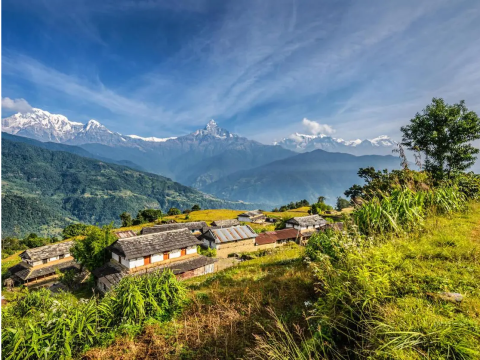
Touring Nepal offers an experience unlike any other. From the snow-capped Himalayas to the cultural treasures of Kathmandu Valley, every corner of the...
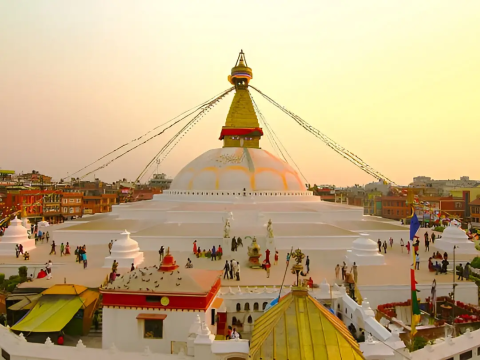
Nepal is a small country with a vast spirit. Nestled between the giants of India and China, it stretches from the subtropical jungles of the Terai to...
