Nepal’s climate is highly varied due to its diverse geography, ranging from tropical plains to alpine peaks. Understanding seasonal weather patterns is key to planning a successful trip. In spring (March–May), the weather is generally warm and dry in the lowlands, while higher elevations remain cool and fresh. Clear skies and moderate temperatures make this one of the best times for trekking and outdoor photography. Rhododendron forests bloom in vivid colors, especially in mid-elevation trails like Ghorepani and Langtang.
During autumn (September–November), the monsoon rains have subsided, leaving the air clean and mountain views exceptionally clear. It's the most popular trekking season due to stable weather, making routes like Everest Base Camp and Annapurna Circuit particularly busy. Winter (December–February) brings colder temperatures, especially in the mountains, but offers sunny skies and fewer tourists in cultural hubs like Kathmandu and Pokhara. Meanwhile, monsoon/summer (June–August) sees heavy rainfall in most areas, though remote regions like Upper Mustang and Dolpo, located in the rain shadow, remain dry and accessible for trekking.
What you pack for Nepal will largely depend on the time of year and your travel itinerary. For spring and autumn, pack lightweight layers for the day and warmer clothing for the chilly evenings, especially in the mountains. Essential items include moisture-wicking shirts, trekking pants, a down jacket, a good quality rain shell, and comfortable hiking boots. Don’t forget sun protection—UV rays are strong even at moderate altitudes—and a reusable water bottle with purification tablets.
In winter, you’ll need heavier gear, especially if visiting higher elevations or hill stations like Nagarkot. Thermal base layers, insulated jackets, gloves, a beanie, and wool socks are a must. For monsoon travel, quick-dry clothes, a high-quality rain jacket or poncho, waterproof shoes, insect repellent, and a dry bag for electronics are essential. For city and cultural tours year-round, modest clothing is recommended—especially for visiting temples and sacred sites.
Traveling around Nepal is incredibly rewarding, but it requires some logistical planning. In spring and autumn, road conditions are generally good, and flights to trekking gateways like Lukla, Jomsom, or Pokhara are more reliable due to clear weather. Domestic airlines like Buddha Air and Yeti Airlines operate frequent routes, and Friday Travel can arrange flights and overland transfers as part of custom itineraries. Trekking permits and TIMS cards are easier to process during these seasons when travel offices are fully operational.
In monsoon and winter, transportation can be affected by weather-related delays. Landslides can disrupt overland routes in the hills, while flights are occasionally grounded due to poor visibility or snow. It's best to allow some buffer days in your itinerary and travel with flexible expectations. If you’re visiting remote regions like Mustang or Dolpo, alternative access routes and local guides from Friday Travel can help you navigate safely. Hiring a local guide and porter not only supports local employment but also ensures you stay on safe, updated trails and avoid travel disruptions.
Top Experiences by Season
Trekking Routes (Everest, Annapurna, Langtang, Manaslu)
Best in: Spring (March–May) & Autumn (September–November)
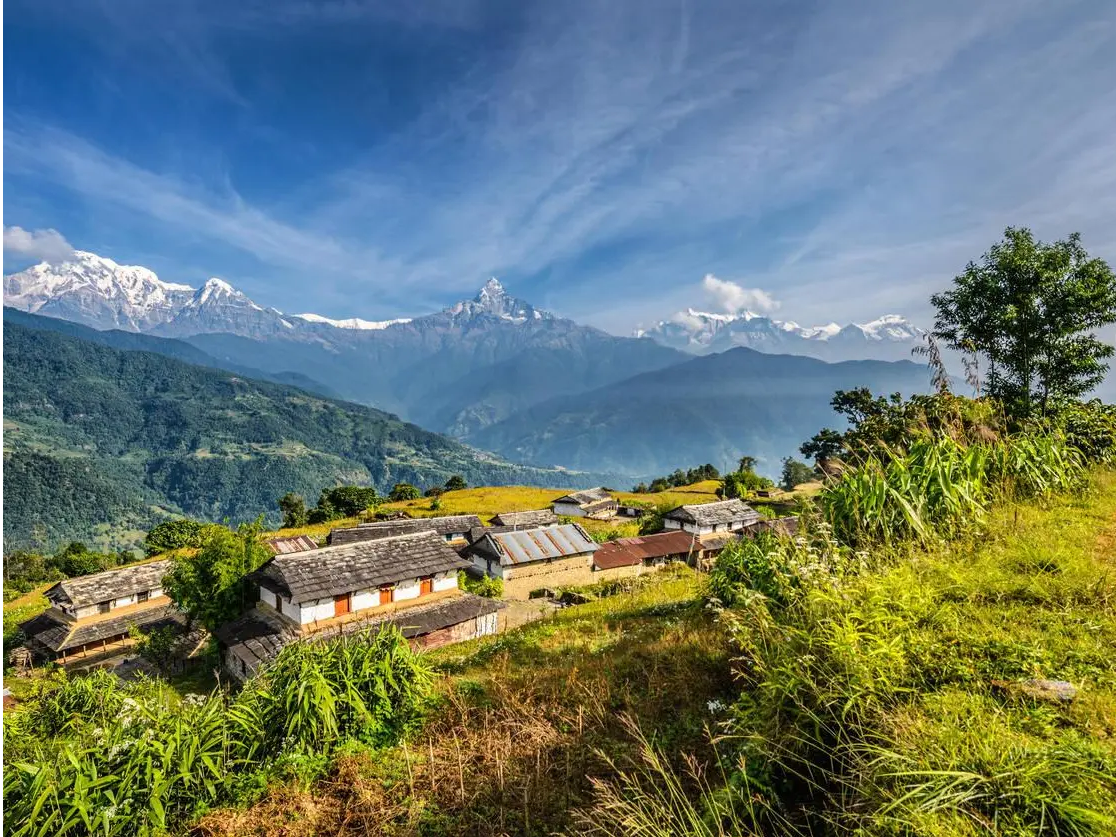
Nepal’s world-renowned trekking routes offer dramatic mountain scenery, cultural immersion, and physical challenge—all rolled into one. The Everest Base Camp Trek is ideal in spring and autumn when the skies are clear and temperatures are moderate. You'll pass through Sherpa villages, suspension bridges, and Buddhist monasteries while catching jaw-dropping views of Everest, Lhotse, and Ama Dablam. Likewise, the Annapurna Base Camp Trek offers a rewarding climb through terraced fields, rhododendron forests, and glacial amphitheaters with Mt. Machapuchare watching over you.
The Manaslu Circuit Trek, a less-crowded alternative, combines rugged landscapes with deep cultural experiences among Tibetan-influenced villages. Langtang Valley Trek, closer to Kathmandu, is perfect for those with less time but still wanting alpine beauty and local hospitality. These treks are best avoided during monsoon due to slippery trails and limited visibility. In winter, only lower-altitude treks are recommended unless you’re experienced and well-equipped.
Kathmandu City Tour / 7 UNESCO World Heritage Sites Tour
Best in: Winter (December–February), Spring & Autumn
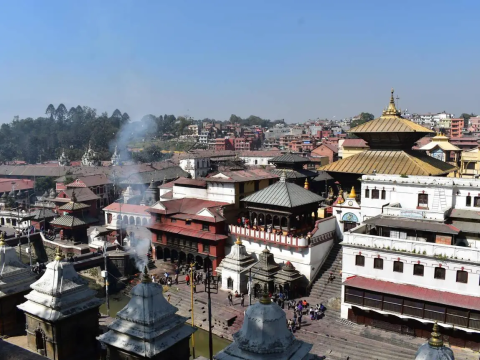
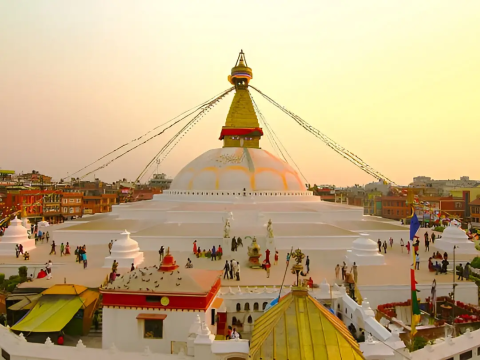
A Kathmandu City Tour is a must for first-time visitors and history lovers. This tour typically includes stops at iconic sites like Swayambhunath (Monkey Temple), Pashupatinath Temple, Boudhanath Stupa, and Kathmandu Durbar Square—each offering a glimpse into Nepal's unique blend of Hindu and Buddhist traditions. The weather in winter and spring is cool and clear, making it perfect for exploring temples, narrow alleys, and ancient courtyards without the heavy crowds of peak season.
The 7 UNESCO World Heritage Sites Tour in the Kathmandu Valley extends to Bhaktapur and Patan, where well-preserved architecture, traditional crafts, and timeless rituals bring the past to life. Friday Travel offers guided experiences that combine storytelling with local insights, helping you see beyond the stones and statues into the heart of Nepali culture.
Kathmandu–Pokhara–Lumbini–Chitwan Tour / Nepal Highlight Tour
Best in: Autumn & Spring (Can be done year-round with adjustments)
This multi-city tour gives travelers a well-rounded view of Nepal—from cultural heritage to natural beauty and wildlife. Start in Kathmandu with its historical and spiritual sites, then head to Pokhara, known for its serene lakes and mountain views. From there, continue to Lumbini, the birthplace of Lord Buddha, where you can explore sacred gardens and international monasteries. Wrap up with a wildlife safari in Chitwan National Park, where you might spot rhinos, elephants, and exotic birds.
This tour is ideal during autumn and spring when transportation is more reliable and weather is pleasant throughout all regions. However, it’s also feasible in winter with light layering, and monsoon travelers can still enjoy this route with flexibility and guidance from Friday Travel. Whether you’re a family, solo traveler, or couple, this is a perfect introduction to the country’s most iconic highlights.
Wildlife Safaris in Chitwan and Bardia
Best in: Winter (December–February) & Spring (March–April)
Nepal’s lowland national parks—Chitwan and Bardia—offer some of South Asia’s best wildlife experiences. A safari here is a chance to see one-horned rhinos, Bengal tigers, wild elephants, and over 500 bird species. Activities include jeep safaris, canoe rides, jungle walks, and Tharu cultural performances. Chitwan is more developed and accessible, while Bardia offers a wilder, off-the-beaten-path experience ideal for serious nature lovers and photographers.
The dry season in winter and early spring is the best time for safaris, as animals come out to waterholes and visibility is high. During the monsoon, while the jungle is lush and beautiful, access becomes limited due to flooding and insects. Friday Travel organizes tailored wildlife tours with expert naturalists, ensuring both safety and maximum animal sightings.
Spiritual Journeys: Lumbini and Himalayan Monasteries
Best in: Year-Round (Spring & Autumn Ideal)
For travelers seeking peace, introspection, or spiritual discovery, Nepal offers unparalleled experiences. Lumbini, the birthplace of Buddha, is a serene complex of gardens, temples, and meditation centers that attract pilgrims and seekers from around the world. Visit the Maya Devi Temple, Ashoka Pillar, and monasteries built by nations like Thailand, Germany, and Korea to witness the global reach of Buddhism.
In the Himalayas, spiritual journeys can include stays at Buddhist monasteries in Namobuddha, Kopan, or even on treks in Solukhumbu and Manang. These sacred spaces often allow visitors to participate in prayer rituals, guided meditations, and discussions with monks. Friday Travel offers custom spiritual retreats and wellness tours to suit your interest, whether it's mindfulness, yoga, or religious pilgrimage.
Adventure Sports: Paragliding, White-Water Rafting, and More
Best in: Spring & Autumn (Select activities available year-round)
Nepal is a playground for thrill-seekers. Paragliding in Pokhara, especially during spring and autumn, offers unforgettable views of the Annapurna range and Phewa Lake. If you're looking for a heart-pounding experience, try white-water rafting on rivers like the Trishuli, Bhote Koshi, or Seti—ideal during late spring and early autumn when water levels are optimal but not too dangerous.
Other adrenaline-packed options include bungee jumping, zip-lining, ultralight flights, and mountain biking through rugged trails. These activities can often be enjoyed year-round with minor seasonal adjustments. Friday Travel partners with licensed, safety-certified adventure providers to ensure your experience is thrilling, but also safe and professionally managed.
Budget and Planning Tips for 2025/2026
Cost Breakdown by Season
Planning your trip budget to Nepal in 2025 or 2026 can vary significantly depending on the season and activities you choose. The peak seasons—spring (March to May) and autumn (September to November)—are generally more expensive due to high demand for flights, accommodations, and trekking permits. During these months, daily costs for mid-range travelers, including guesthouses, meals, and local transport, can range from $40 to $70 USD per day. Trekking expenses, including guides, porters, and gear rentals, can add extra costs but are well worth the investment for safety and local employment.
Conversely, winter (December to February) and monsoon (June to August) tend to be more budget-friendly times to visit. Accommodation prices drop as tourism slows down, and many operators offer discounts on tours and activities. While winter requires additional investment in warm gear, travelers can save money overall. Monsoon travelers can take advantage of fewer crowds and lower prices but should budget extra time and flexibility for possible travel delays due to weather.
Booking Flights and Accommodations in Advance
Securing your flights and accommodation well in advance is key to avoiding last-minute price surges, especially if you plan to visit during the peak trekking seasons. International flights into Tribhuvan International Airport (Kathmandu) and domestic flights to hubs like Pokhara and Lukla often fill quickly between March and November. Booking 3-6 months ahead is advisable to lock in the best rates and preferred seats, particularly on popular routes such as Kathmandu-Lukla for Everest trekkers.
Friday Travel offers expert assistance in organizing your travel logistics, including early booking of flights, airport transfers, and stays in hotels or tea houses. For trekkers, accommodations along trails can be basic and limited, so pre-booking via travel agencies is highly recommended during busy months. In off-peak seasons, walk-in bookings are more feasible, but it’s still smart to confirm your itinerary and lodging to ensure a smooth trip.
Permits, Guides, and Local Support
Trekking and special travel activities in Nepal require various permits, and these costs should be factored into your budget. Common permits include the TIMS card (Trekkers’ Information Management System) and national park entry fees (e.g., for Annapurna or Sagarmatha National Parks). These fees support conservation efforts and local communities. Depending on your route, permit costs typically range between $30 to $60 USD but vary by region and nationality.
Hiring local guides and porters is highly recommended for safety, cultural insight, and to support Nepal’s economy. Guides bring invaluable knowledge of the terrain, weather, and local customs, while porters ease your physical burden on challenging trails. Friday Travel collaborates with certified, experienced guides and trained porters to ensure ethical employment and quality service. Additionally, having local support often allows for better navigation through permit processes and emergency situations, providing peace of mind for every traveler.
Conclusion
Why Nepal Is Worth the Journey—Now More Than Ever
Nepal is a land where natural grandeur meets rich culture and heartfelt hospitality, creating an experience unlike any other. In 2025 and 2026, Nepal is more ready than ever to welcome travelers seeking both adventure and meaningful connection. The post-pandemic revival has brought significant improvements to infrastructure, accessibility, and sustainability, ensuring your journey is comfortable, safe, and impactful. Whether you’re drawn by the soaring peaks of the Himalayas, the spiritual calm of ancient monasteries, or the vibrant pulse of traditional festivals, Nepal offers something uniquely transformative.
With its diverse landscapes—from lush jungles to rugged mountains—and a heritage that dates back thousands of years, Nepal invites you to explore, reflect, and grow. Now is the perfect time to experience this magic firsthand, while also contributing to the country’s ongoing efforts in sustainable tourism and cultural preservation. The warmth of Nepal’s people, the clarity of its skies, and the depth of its stories will leave you inspired long after you return home.
Making the Most of Your Visit in 2025/2026
To truly unlock the best of Nepal in 2025 and 2026, thoughtful planning is key. Choosing the right season, understanding local customs, and selecting experiences that resonate with your interests will enrich your journey. Whether it’s trekking classic routes like Everest Base Camp, immersing yourself in the celebrations of Dashain, or embarking on a wildlife safari in Chitwan, every moment holds potential for discovery.
Partnering with trusted experts like Friday Travel ensures a seamless experience, from securing permits and booking flights to tailoring itineraries that match your pace and preferences. Embrace the opportunity to travel responsibly, support local communities, and immerse yourself in the authenticity of Nepal’s culture and landscapes. Your adventure awaits—ready to offer memories that will last a lifetime.
Why Choose Friday Travel
At Friday Travel, we believe that every journey should be as unique and unforgettable as the destination itself. With years of experience and deep local knowledge, we specialize in crafting personalized travel experiences that go beyond the ordinary. Whether you’re a first-time visitor or a seasoned trekker, our dedicated team is committed to providing expert guidance, seamless logistics, and heartfelt hospitality throughout your Nepal adventure.
What sets us apart is our passion for authentic travel combined with a strong commitment to sustainable tourism. We work closely with local communities, certified guides, and trusted partners to ensure that your trip supports Nepal’s cultural preservation and environmental conservation. From helping you navigate permits and local regulations to customizing itineraries that fit your interests, fitness level, and budget, Friday Travel puts your needs at the heart of every plan.
We prioritize your safety, comfort, and meaningful experiences, offering 24/7 support from booking to return. With Friday Travel, you’re not just a tourist—you’re a valued guest discovering Nepal with insider knowledge and genuine care. Let us turn your dream trip into a reality filled with awe-inspiring moments, warm connections, and lasting memories.